- Introduction
- What Is Industrial Cable Trunking?
- Why Is Industrial Cable Trunking Important in the Textile Industry?
- Advantages of Industrial Cable Trunking in the Textile Industry
- Common Types of Industrial Cable Trunking
- Criteria for Choosing Industrial Cable Trunking
- Installing and Maintaining Industrial Cable Trunking
- Specific Applications of Cable Trunking in the Textile Industry
- Specific Advantages of Using Cable Trunking in the Textile Industry
- Notes When Choosing and Using Cable Trunking
- Conclusion
Introduction
In the textile and garment industry, the electrical system plays an extremely important role. From large machinery to lighting systems, everything needs a stable, safe power supply. Industrial cable trunking is the ideal solution to meet these demanding requirements.
What Is Industrial Cable Trunking?
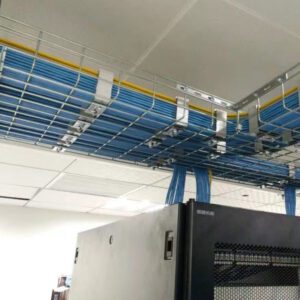
Industrial cable trunking is a system of channels, fittings, and other components fixed to the ceiling or walls to provide a cable routing path for electrical equipment throughout a production area.
Why Is Industrial Cable Trunking Important in the Textile Industry?
Safety:
- Protects workers from the risk of electric shock, especially in humid, cotton-dust-laden environments.
- Helps prevent fire, keeping both people and property safe.
Efficiency:
- Easy to install, maintain, and repair.
- Flexible to adjust and expand the electrical system.
- Optimizes production floor space.
Efficient power use:
- Minimizes power loss, saving on costs.
- Easy to integrate with smart electrical devices.
Advantages of Industrial Cable Trunking in the Textile Industry
- High load capacity: Meets the high power demands of textile machinery.
- Corrosion resistance: Materials used typically resist corrosion well, suited to humid production environments.
- Aesthetics: A neat, modern design that contributes to a professional production environment.
Common Types of Industrial Cable Trunking
- Busbar trunking: Used for high-load electrical systems requiring large current-carrying capacity.
- Tray-type trunking: Used for electrical systems with many branch circuits, offering flexible connections.
- Conduit-type trunking: Used for electrical systems requiring high enclosure integrity, offering strong protection for internal conductors.
Criteria for Choosing Industrial Cable Trunking
- Load capacity: Suited to the power rating of the electrical equipment.
- Material: Good corrosion and heat resistance.
- Standards: Meets electrical safety standards.
- Manufacturer: Choose reputable brands with a solid warranty policy.
Installing and Maintaining Industrial Cable Trunking
Installation and maintenance of industrial cable trunking should be carried out by qualified professionals, in compliance with electrical safety regulations.
Specific Applications of Cable Trunking in the Textile Industry
Industrial cable trunking not only delivers power but also plays an important role in organizing and operating production lines in the textile industry. Specific applications include:
Powering machinery and equipment:
- Weaving machines: Power motors that control speed, thread tension, lifting, and other control devices.
- Dyeing machines: Power pumps, agitators, heating systems, and dyeing process control devices.
- Printing machines: Power conveyor motors, printing devices, and drying equipment.
- Finishing machines: Power cutting machines, sewing machines, pressing machines, and other finishing equipment.
Powering lighting systems:
- Factory lighting: Ensures adequate light for production and quality inspection.
- Workspace lighting: Creates a comfortable working environment and improves worker productivity.
Powering control equipment:
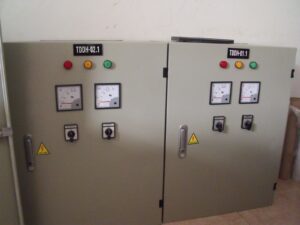
- Electrical cabinets: House switching, protection, and control devices for the electrical system.
- Variable-frequency drives: Adjust the speed and torque of electric motors.
- PLCs: Automate control of production processes.
Powering auxiliary equipment:
- Ventilation systems: Keep the factory air circulating and remove cotton dust.
- Water supply and drainage systems: Supply water to production equipment and treat wastewater.
Specific Advantages of Using Cable Trunking in the Textile Industry
- Greater flexibility: Easy to install, relocate, and expand the electrical system as production needs change.
- Improved production efficiency: Reduces downtime caused by electrical faults, boosting labor productivity.
- Ensured safety: Protects workers and equipment from electrical faults, reducing fire risk.
- Optimized space: A compact design that saves installation space.
Notes When Choosing and Using Cable Trunking
- Choose the right type of trunking: Depending on the environmental conditions, load, and technical requirements of each area.
- Install correctly: Ensures the electrical system operates stably and safely.
- Periodic maintenance: Inspect and maintain the electrical system to catch and fix issues promptly.
Conclusion
Industrial cable trunking is an indispensable solution in modern textile factories. With outstanding advantages in safety, efficiency, and aesthetics, industrial cable trunking helps improve productivity and product quality while keeping workers safe.
Note: For the most detailed and accurate guidance, consult with electrical specialists and reputable industrial cable trunking suppliers.