
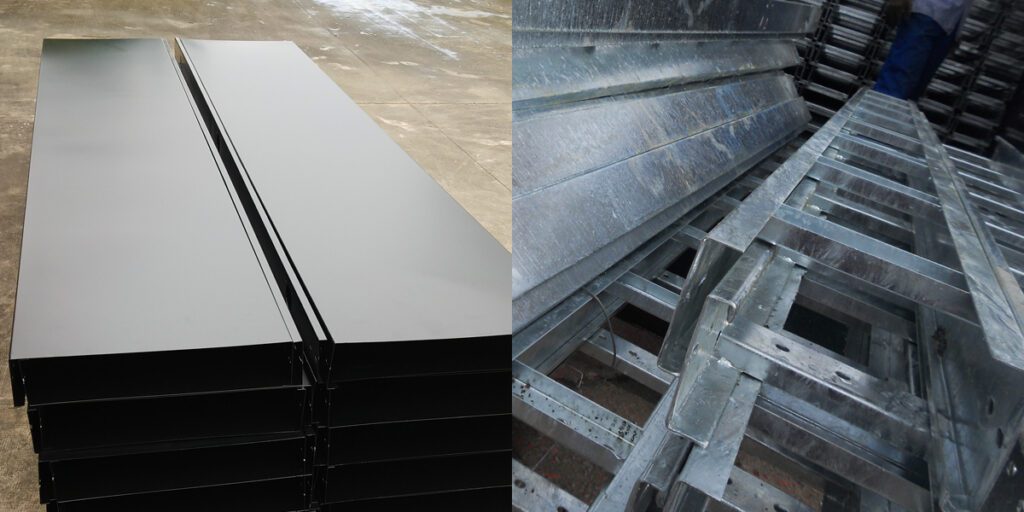
Cable Trunking vs. Cable Ladder
Cable trunking and cable ladders are both important solutions for managing and protecting power and data cables in construction and industrial projects. However, each has its own characteristics and applications. Let’s take a closer look with The Sun and compare the two.
Common Features of Cable Trunking and Cable Ladders
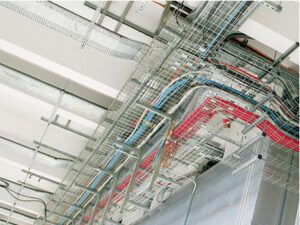
Both cable trunking and cable ladders are designed to hold and protect cables, keeping them neatly organized and making maintenance and repair easier. Both can be made from materials such as steel, aluminum or stainless steel, with surface treatments to prevent corrosion.
See the details of each product type via the links below:
Differences Between Cable Trunking and Cable Ladders
Design and Structure:
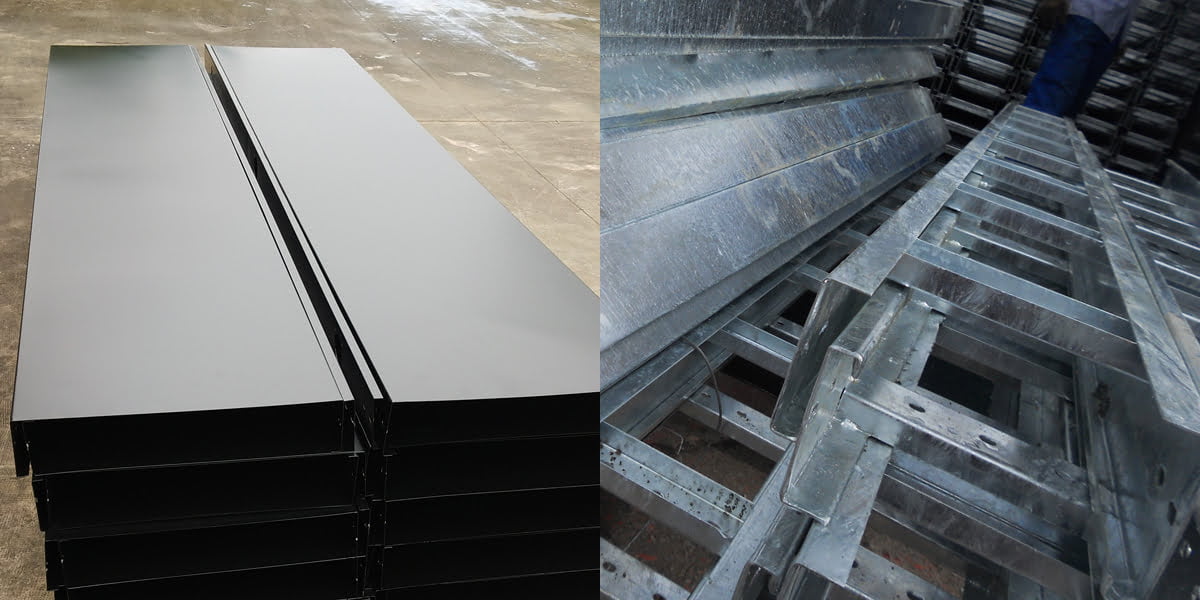
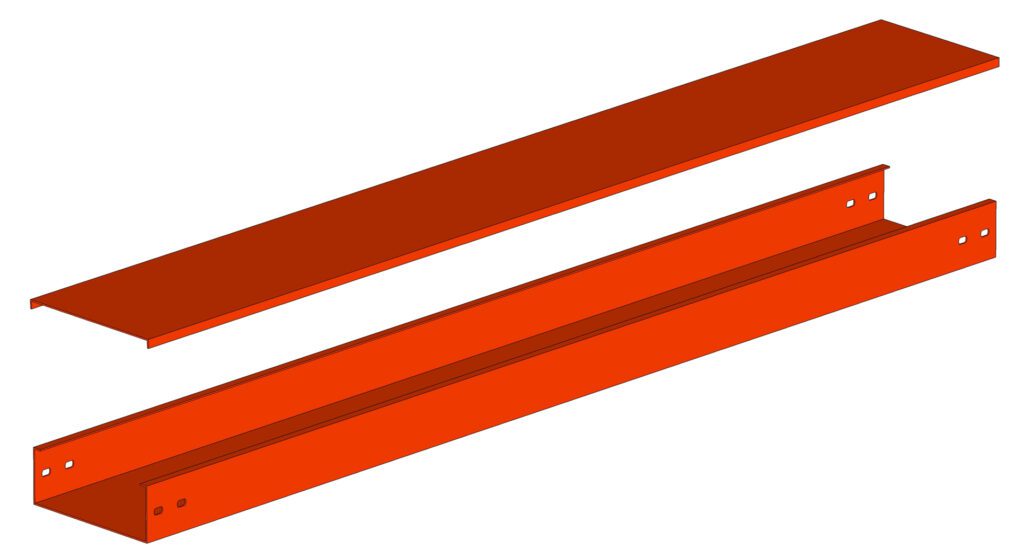
- Cable trunking: Usually rectangular in shape, either enclosed or perforated. Cable trunking generally comes with a cover to protect the cables inside from dust and environmental factors.
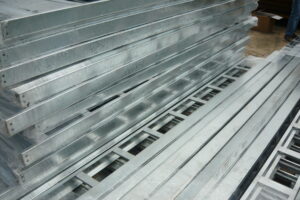
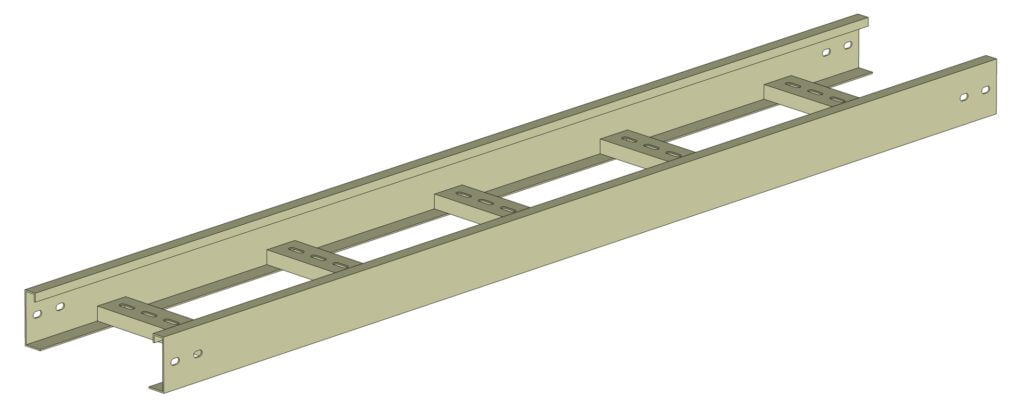
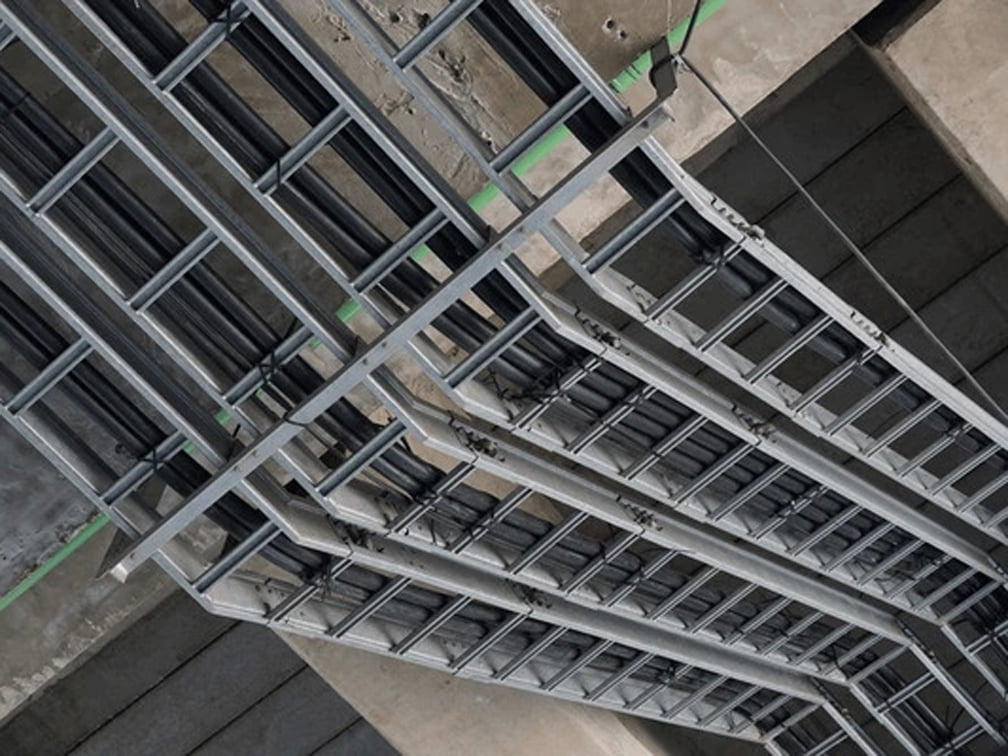
- Cable ladder: Usually has a ladder-like design with cross rungs, which improves heat dissipation and ventilation. Cable ladders are generally lighter and easier to install than cable trunking.
Applications:
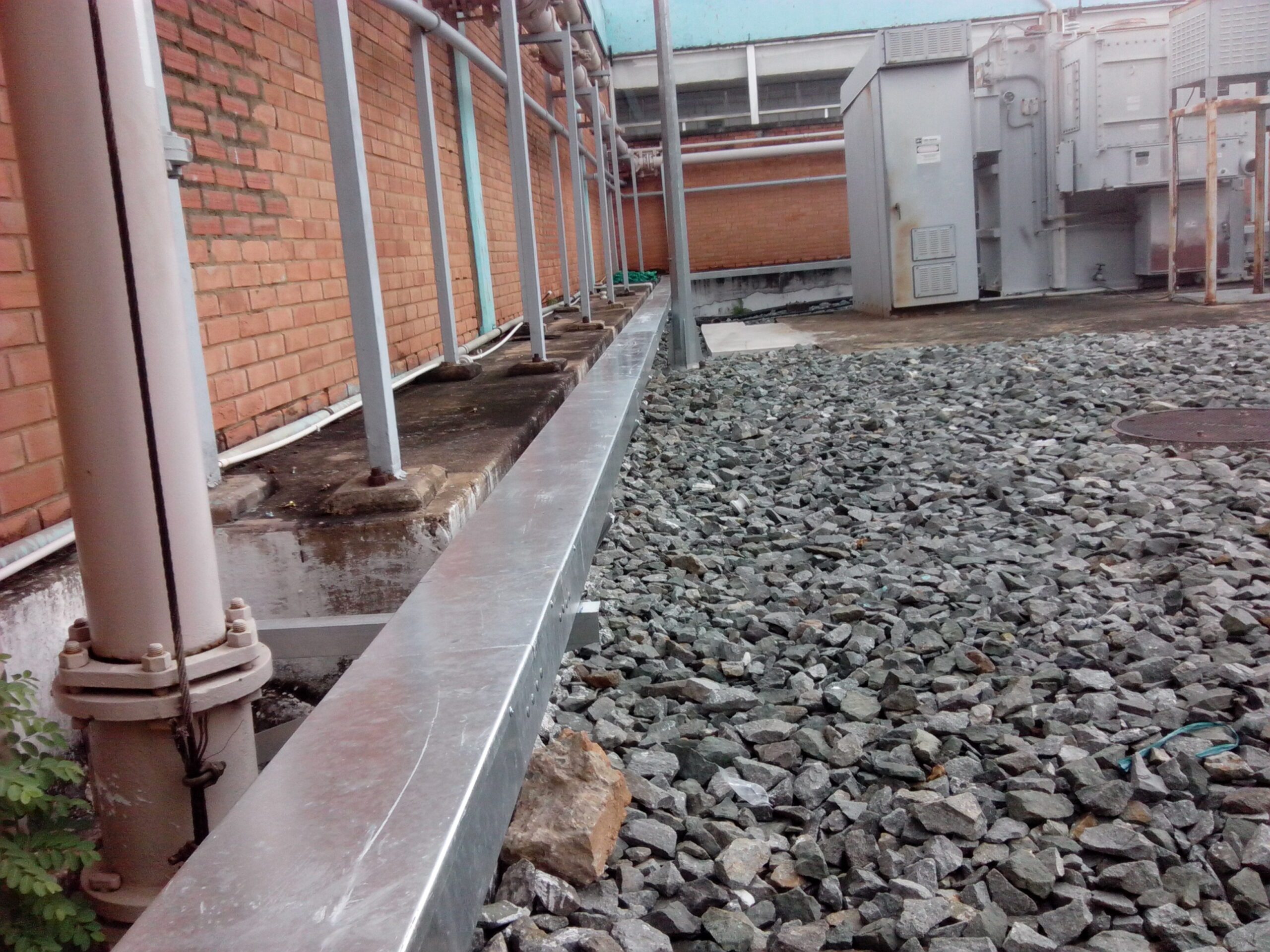
Cable trunking: Suitable for large cable systems that need protection from environmental factors. Commonly used in buildings, industrial zones and outdoor installations.
Cable ladder: Suitable for smaller cable systems that need good heat dissipation. Commonly used in manufacturing plants, server/computer rooms, and areas requiring tidy cable management.
Heat Dissipation:
- Cable trunking: Because of its enclosed design, heat dissipation is weaker than that of a cable ladder.
- Cable ladder: The ladder-like design provides better heat dissipation, reducing the risk of overheating for the cables inside.
There is also a variant commonly known in Vietnamese as “Máng cáp có lỗ”, or in English, a Perforated Cable Tray. Its construction is similar to cable trunking, the only difference being that the bottom of the tray is perforated. In Vietnam this is usually referred to as “Khay cáp” (cable tray), and here we classify it as a separate product type. You can see Cable trays suited to every project here
Benefits of Use
Cable trunking:
- Protects cables from dust and environmental factors.
- Suitable for large cable systems.
- High durability and good load-bearing capacity.
Cable ladder:
- Good heat dissipation, reducing the risk of overheating.
- Easy to install and maintain.
- Lightweight and flexible to install.
Conclusion
With the analysis above, you should now have a clear overview of cable trunking and cable ladders. The choice between the two depends on the specific needs of your project. If you need to protect cables from environmental factors and have a large cable system, cable trunking is the right choice. On the other hand, if you need good heat dissipation and tidy cable management, a cable ladder is the optimal solution.
See where to find high-quality, affordable cable trays and cable ladders: