The material used for a wire mesh cable tray has a direct effect on its price. There’s a wide range of materials to choose from, but two are by far the most common: hot-dip galvanized steel and 304 stainless steel. So what are the pros and cons of each, and which applications does each suit best? Let’s find out in this article.
1. Hot-Dip Galvanized Steel
Advantages:
- Lower cost: Compared with 304 stainless steel, hot-dip galvanized steel is considerably cheaper, suiting projects with a tighter budget.
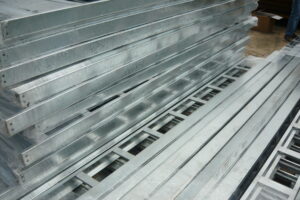
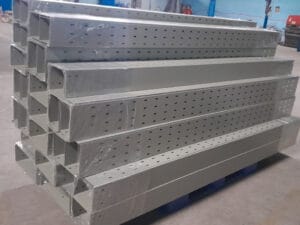
- High durability: The zinc layer bonds tightly to the steel surface, forming a solid protective barrier that effectively resists rust and corrosion in humid environments.
- Wide range of sizes: Galvanized steel is easy to fabricate into many sizes and shapes to suit a variety of applications.
Disadvantages:
- Lower durability than stainless steel: In harsh environments, the zinc coating can wear down over time, shortening the product’s service life.
- Lower aesthetics: A galvanized steel surface isn’t as glossy as stainless steel, so it’s less suited to spaces requiring a high-end look.
Applications:
- Residential construction projects: installing electrical and communications wiring in homes and offices.
- Light industry: protecting cables in workshops and warehouses.
- Agriculture: building trellises for vegetables and flowers.
2. The Best Material for a Wire Mesh Cable Tray: 304 Stainless Steel
Advantages:
- High durability: 304 stainless steel offers excellent corrosion and oxidation resistance, suited to harsh environments involving chemicals or acids.
- High aesthetics: A glossy, upscale surface finish suited to projects that demand a polished look, such as hotels, restaurants, and shopping centers.
- Easy to clean: A smooth stainless-steel surface doesn’t collect dust and is easy to clean.
Disadvantages:
- Higher cost: 304 stainless steel costs more than galvanized steel.
- Harder to fabricate: Stainless steel is harder than ordinary steel, requiring specialized machinery and skill to fabricate.
Applications:
- Food and pharmaceutical industries: manufacturing equipment and piping.
- Industrial construction: factories and workshops.
- Interior fittings: railings, staircases, and handrails.
Comparison Table: The 2 Most Common Wire Mesh Cable Tray Materials
| Feature | Stainless-Steel Mesh Tray | Hot-Dip Galvanized Mesh Tray |
|---|---|---|
| Material | Stainless steel (inox) | Hot-dip galvanized steel |
| Advantages | High durability, excellent corrosion/oxidation resistance; glossy, attractive surface; easy to clean; food-safe hygiene | Lower cost; good durability in humid environments; wide range of sizes, easy to fabricate |
| Disadvantages | Higher cost | Lower durability than stainless steel in harsh environments; surface not as glossy as stainless steel |
| Applications | Projects requiring high aesthetics (hotels, restaurants, shopping centers); food and pharmaceutical industries; chemical/acidic environments | Residential construction (electrical and communications wiring); light industry (cable protection in workshops/warehouses); agriculture (plant trellises) |
Conclusion
Which material is right for your wire mesh cable tray depends on several factors, including the operating environment, budget, and aesthetic requirements. If you need an affordable product with moderate durability, galvanized steel is a good fit. If you need a premium, durable, attractive product, 304 stainless steel is the ideal choice.
For more on material grades, see the Wikipedia entry on 304 stainless steel.