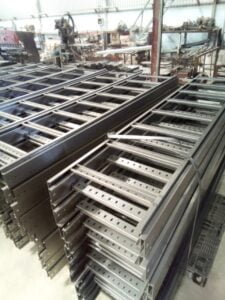

(The Sun Corporation does not sell this product)
In the electrical and construction industries, protecting and managing wiring systems plays a very important role. One of the most effective and popular solutions is the cable tray, and plastic cable trunking is one type of it. So what exactly is plastic cable trunking? This article gives you detailed information about plastic trunking — its advantages, applications, installation and maintenance, and future development trends.
What Is Plastic Cable Trunking?
Plastic cable trunking is a material used to protect and organize electrical wiring systems in construction projects. Made from composite plastic or PVC, plastic trunking resists corrosion, withstands pressure, and offers high durability. It helps prevent cables from being damaged or broken by external environmental factors.
Classification
Plastic cable trunking is divided into several types depending on size, shape, and intended use. Common types include:
- Rigid trunking: Good load-bearing capacity, commonly used in areas that require high durability.
- Flexible trunking: Easy to bend and install, suited to areas with limited space.
- Specialty trunking: Specially designed for applications such as installing machinery and equipment in factories.
Advantages of Plastic Cable Trunking
1. Durability
Chemical resistance: Thanks to its corrosion resistance, plastic trunking can be used in harsh chemical environments.
2. Easy Installation
- Lightweight: Plastic trunking is lighter than alternative materials, making it easy to transport and install.
- Easy to assemble and disassemble: Its smart design allows quick assembly and disassembly, saving workers time and effort.
3. Flexibility
- Diverse designs: Available in many styles and sizes, easily suited to any space or installation requirement.
- Reusability: Plastic trunking can be reused multiple times without losing quality.
4. Low Cost
Cost savings: Compared with metal cable trays, plastic trunking has much lower production and installation costs.
Applications of Plastic Cable Trunking
1. In Construction
Plastic trunking is commonly used in office buildings, apartment complexes, and shopping centers to manage electrical and network cabling. Installing trunking helps organize the cable system systematically, making it easy to access for repair or upgrades.
2. In Industry
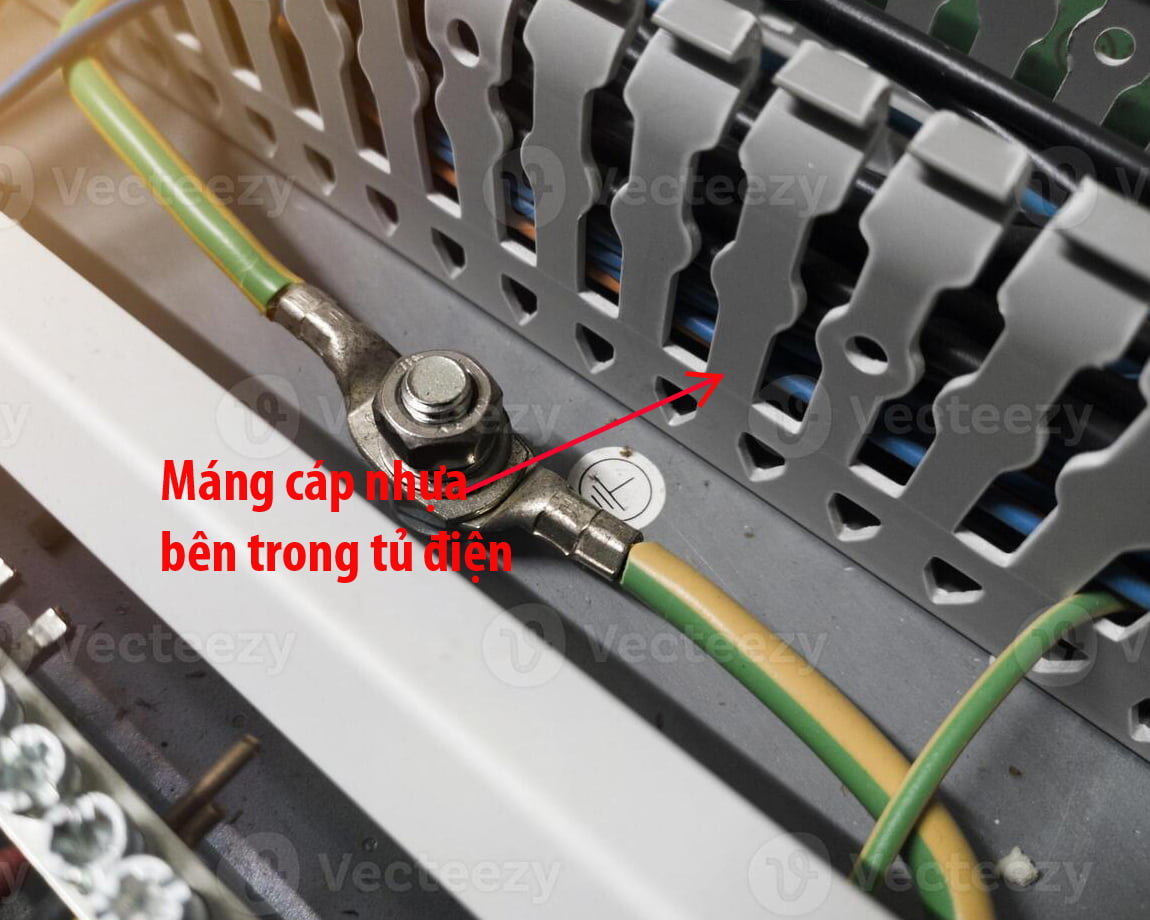
Plastic trunking is also very common in manufacturing plants with lots of electrical equipment and automation systems. It protects cables from dust, grease, and other harmful agents. Inside industrial electrical cabinets in particular, plastic trunking has a clear advantage over other tray types, helping keep wiring inside the cabinet neat and orderly.
3. In Telephone and Internet Systems
Plastic trunking is used to protect telephone lines and fiber-optic internet cables, keeping signals stable and unaffected by the external environment.
Guide to Installing Plastic Cable Trunking
1. Prepare the Necessary Tools
Before installation, prepare tools such as a knife, tape, a drill, and suitable screws.
2. Measure and Mark
First, measure the length of the area where the trunking will be installed and mark the position on the wall or floor.
3. Cut the Trunking
Cut along the measured length using a knife, ensuring the cuts are straight and neat.
4. Install the Trunking
- Mount the trunking: Use screws to attach the trunking to the prepared surface.
- Place the cables: Once the trunking is secured, place the cables inside it.
5. Inspect
Finally, carefully inspect the installation to make sure no cable is pinched or bent.
Maintaining Plastic Cable Trunking
1. Periodic Inspection
Carry out periodic inspections to catch early signs of damage, cracking, or wear on the trunking.
2. Cleaning
Clean the trunking to remove dust and other build-up, ensuring it does not affect the quality of the cables inside.
3. Replace When Necessary
If the trunking shows signs of serious damage, replace it immediately to keep the electrical system safe.
Future Development Trends for Plastic Cable Trunking
With ongoing advances in technology and rising demand for electrical systems, plastic trunking is being improved in terms of material, design, and durability. In the future, plastic trunking is expected to gain more advanced features, such as self-inspection, self-repair, and faster network connectivity.
Conclusion
With its outstanding advantages and flexibility in application, plastic cable trunking has become an ideal solution for managing electrical systems across many fields. We hope this article has given you deeper insight into plastic trunking — from its concept and advantages to its applications, installation, and maintenance. Use this information to support your own work and projects.