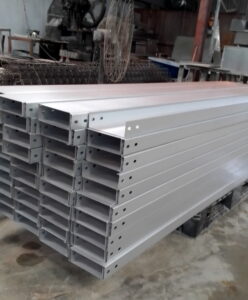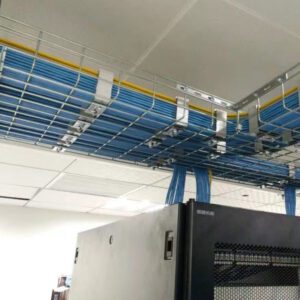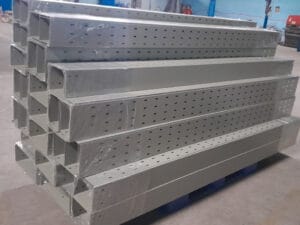

Manufacturing cable trays and ladders is a process of metalworking combined with plating and surface coating. The metalworking side mainly involves forming sheet metal. Plating mainly means zinc plating. Surface coating is mostly powder coating. So the machinery and equipment used in cable tray/ladder manufacturing include the following.
What Does Cable Tray/Ladder Manufacturing Involve?
- Sheet-metal cutting machines
- Laser metal-cutting machines
- CNC plasma cutting machines
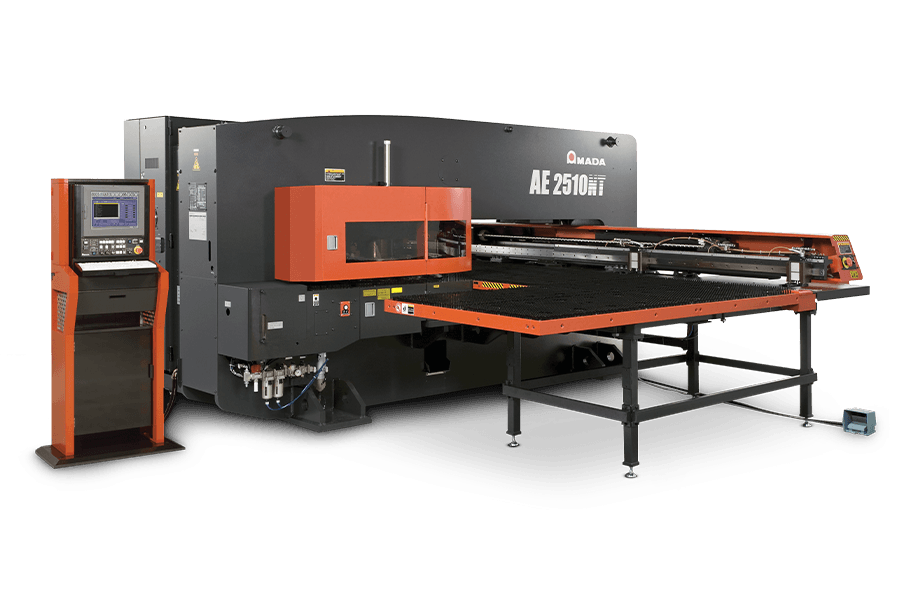
- Mechanical punch presses
- CNC punch presses
- Sheet-metal press brakes
- Steel bending machines
- Spot (resistance) welders
- TIG welders
- MIG/MAG welders
- Stick (SMAW) welders
- Hand-held tools and machines: grinders, drills, polishers, etc.
- Air compressors
- Powder-coating spray guns
- Curing ovens
- Metal surface-treatment tank systems
- Plating systems
There are also supporting machines such as air dryers, magnetic grinders, milling machines, and lathes.
Depending on each manufacturer’s investment, the machinery on hand may not include every item listed above. At The Sun, plating is outsourced — mainly hot-dip galvanizing. We maintain an evaluation file of reputable plating partners to ensure the quality of the products delivered to customers.
Minimum Equipment Needed to Manufacture Cable Trays and Ladders
As noted above, cable tray/ladder manufacturing may not require every machine listed. At a minimum, however, the following equipment is needed:
Sheet-Metal Cutting Machines
You can cut using a hydraulic shear, a mechanical shear, a laser cutter, or a plasma cutter. You can even use a hand-held cutter to cut sheet metal to the desired size. High-tech machines such as CNC and laser cutters produce more precise, cleaner blanks, faster.
The Sun uses laser cutting to ensure blanks meet requirements. Laser cutters can also cut holes directly into the blank without a separate punching step, reducing material waste and saving time and labor. You simply load the steel sheet onto the machine, program it, and run it. The downside is that it requires a skilled operator/programmer.
Punch Presses in Cable Tray/Ladder Manufacturing
For medium and large blanks with many holes, hand tools cannot be used efficiently — meaning it’s not viable for commercial-scale production. If a workshop already has plasma and laser cutters, is a punch press still needed? Yes — because embossed or stamped details cannot be produced by the cutting machines above.
CNC punch presses also offer a speed advantage. Even though CNC plasma and laser cutting speeds have improved a great deal, they still can’t match a CNC punch press. The downside of punch presses is that they require many dies, and very large machines are needed for thick steel.
Bending, Folding, and Rolling Machines for Sheet Steel
Some overseas cable tray manufacturers use roll-forming lines for mass production. These belong to large manufacturers with big facilities and, importantly, significant capital investment. These automated lines run from punching all the way through forming — you simply feed a steel coil into the machine, program a few parameters, and it runs through coil after coil. In the Vietnamese market, this type of line likely isn’t necessary.
Sheet-bending machines come in manual, electric, hydraulic, and CNC types. Manual machines are only suitable for thin sheet (mainly used for ductwork). Hydraulic machines need to be large and expensive to bend thick steel.
Hydraulic press brakes: This is the most common type. Easy to use, with high force that can bend thick, long steel sections. These machines usually include an automatic back-gauge, and programming is simple. Higher-end models include material-support arms. The Sun uses this type, with an automatic back-gauge.
Welding Machines and Hand-Held Tools
Of course, metalworking can’t do without these. TIG and MIG welders produce cleaner, faster welds than traditional stick welding. Spot (resistance) welders have the advantage of requiring little weld-seam finishing. The right welding method depends on the cable tray/ladder’s construction. Which type to choose really comes down to throughput. You can also handle everything with a traditional stick welder. Aside from laser welders, which remain fairly expensive, other welding equipment is relatively affordable and easy to invest in.
Other hand-held tools like grinders and drills are standard equipment in any metalworking shop.
Other Machinery and Systems
Powder-Coating System
If you set up a powder-coating line for cable tray/ladder production, you’ll need more space to install the following equipment:
- A metal surface-pretreatment tank system (before coating).
- An air compressor, compressed-air tank, and air filtration system for spraying.
- A powder-coating spray gun.
- A spray booth with an extraction fan and filter for powder recovery.
- A curing oven (around 200°C).
Plating System
Zinc plating includes electro-galvanizing (less common) and hot-dip galvanizing. These systems have environmental implications and consume a great deal of fuel and electricity to start up. As a result, only plating shops that run continuously 24/7 achieve real economic efficiency. Cable tray/ladder manufacturers typically do not invest in this line themselves.
Measuring and Inspection Equipment
To ensure output quality, you need a full set of measuring and inspection equipment. These instruments must be periodically calibrated and certified. Although they are support tools, they can still be quite costly.
Thank you for reading this article! It summarizes cable tray/ladder manufacturing activities and the machinery and equipment involved. That said, requirements can vary depending on each production line’s specific technology. If you spot anything to correct, we welcome your feedback. Thank you!