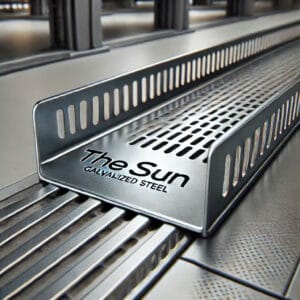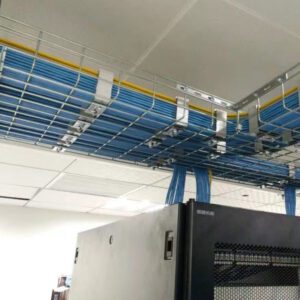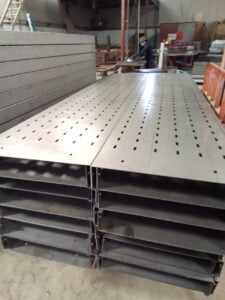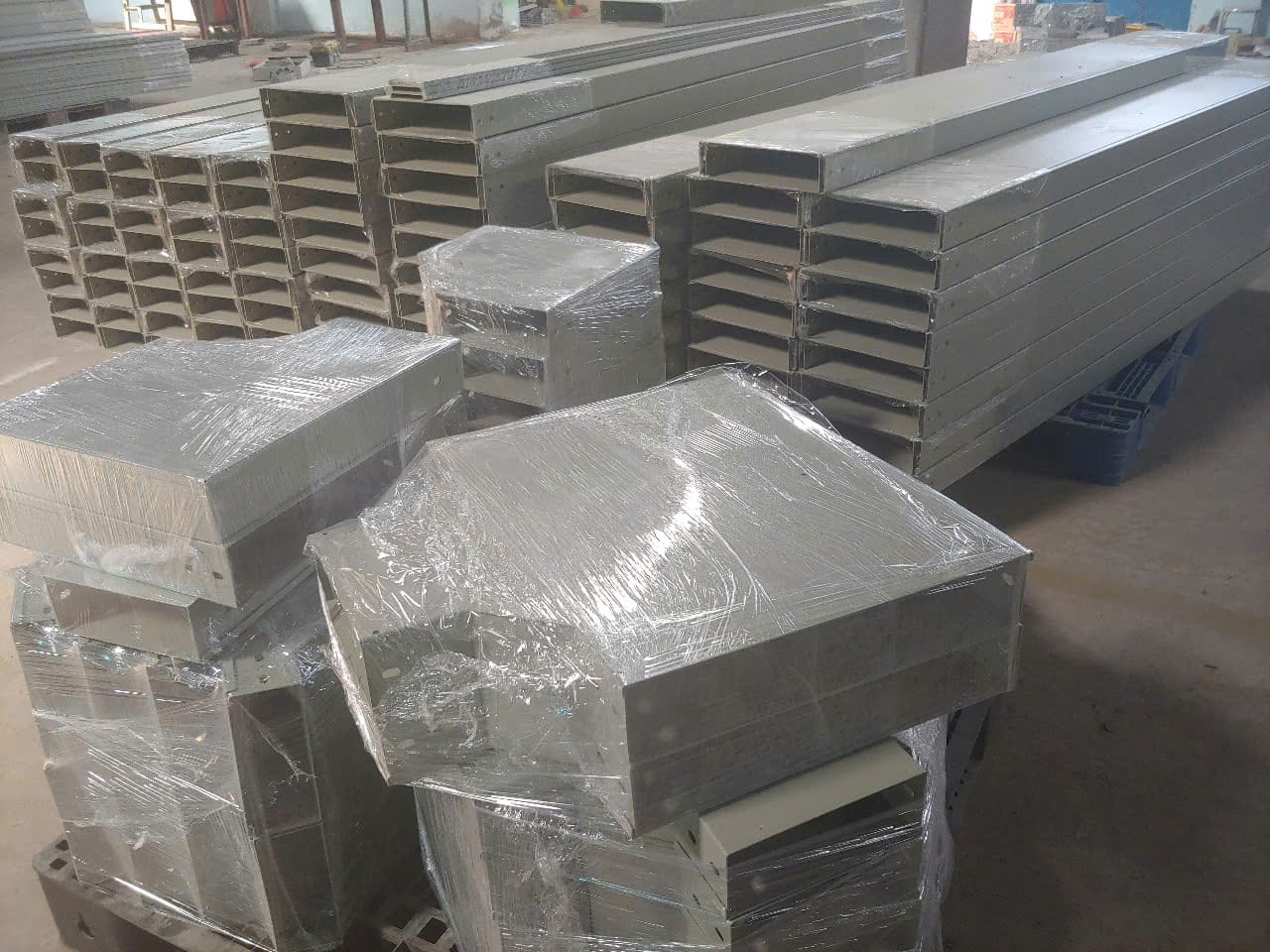

Choosing the right size and material for electrical trunking is essential for the appearance, safety, and efficiency of a building’s electrical system. Below is a detailed roundup of the top 5 most popular electrical trunking sizes and materials used today, with illustrations.
“Electrical trunking” is another name for cable tray. The word “electrical” simply emphasizes that this type of tray is dedicated to routing electrical wires and cables. Although the names differ, they refer to essentially the same product.
Top 5 Sizes and Materials for Electrical Trunking
The top 5 sizes and materials for electrical trunking include:
By size:
- 100mm x 50mm trunking
- 150mm x 50mm trunking
- 200mm x 100mm trunking
- 300mm x 100mm trunking
- 400mm x 100mm trunking
By material:
- Hot-dip galvanized steel
- Powder-coated steel
- Stainless steel
- Electro-galvanized steel
- Aluminum alloy
Below are the details of the top 5 most common electrical trunking sizes and materials used in construction projects. Let’s take a closer look!
Top 5 Common Electrical Trunking Sizes
Trunking size is defined by its width and height. Choosing the right size depends on the number and type of cables to be routed, as well as the available installation space.
100mm x 50mm Electrical Trunking
The 100mm x 50mm trunking is typically used for small, residential projects with few cables.
150mm x 50mm Electrical Trunking
The 150mm x 50mm size is common in residential buildings, offices, and retail stores.
200mm x 100mm Electrical Trunking
The 200mm x 100mm size is very common in residential projects and small-to-medium workshops.
300mm x 100mm Electrical Trunking
The 300mm x 100mm size is used for larger projects such as factories and shopping centers.
400mm x 100mm Electrical Trunking
The 400mm x 100mm size is used for large industrial projects and electrical systems with high load requirements.
Top 5 Materials for Manufacturing Electrical Trunking
Hot-Dip Galvanized Steel
- The most popular trunking type for rust prevention where a balance of cost and protection is required.
- Good corrosion resistance and load-bearing capacity at a reasonable price.
- Commonly used in humid and outdoor environments.
Powder-Coated Steel
- Attractive surface finish with a wide range of colors.
- Good corrosion resistance, though slightly lower load-bearing capacity than hot-dip galvanized steel.
- Commonly used indoors, where aesthetics matter.
Stainless Steel
- High durability with essentially absolute corrosion resistance.
- Higher cost; typically used in special environments such as cleanrooms and chemical plants.
Electro-Galvanized Steel
- Good corrosion resistance, though not as strong as hot-dip galvanizing.
- Lower cost; commonly used in ordinary environments.
Aluminum Alloy
- Lightweight, durable, and corrosion-resistant.
- Easy to fabricate and install.
- Higher cost than steel; used in special projects requiring lightweight materials.
That gives us an overview of the top 5 most popular electrical trunking sizes and materials used in construction projects, so you can choose the right trunking for your project.
Choosing the Right Electrical Trunking
Choosing the right size and material for electrical trunking depends on several factors:
- Number and type of cables: Base your trunking size on the number and diameter of the cables it will carry.
- Installation space: The available space determines the maximum trunking size.
- Load: The trunking must support the weight of the cables and any accompanying equipment.
- Installation environment: Acidic, alkaline, or high-temperature environments affect the choice of trunking material.
- Aesthetic requirements: For projects requiring a polished look, choose trunking with an attractive, well-matched surface finish.
Notes:
- Standards: Electrical trunking must meet applicable quality and safety standards.
- Installation: Installation should be carried out by experienced personnel following correct technical practice.
Advice: To choose the right trunking among the top 5 sizes and materials above, consult with electrical engineers or equipment suppliers. They can help you make the most accurate decision.
Technical Factors When Installing Electrical Trunking
Installing electrical trunking requires a high degree of precision to ensure the electrical system operates safely and reliably. Below are some important technical factors to keep in mind during installation:
1. Choosing the Type of Electrical Trunking
- Material: Hot-dip galvanized steel, stainless steel, aluminum alloy, etc. Each has different advantages and disadvantages in terms of durability, corrosion resistance, and cost.
- Size: Depends on the number and size of the conductors, as well as the installation space.
- Shape: There are various trunking shapes, such as U-shaped, C-shaped, and wire-mesh trunking.
2. Designing the Trunking System
- Design drawings: Detailed drawings are needed showing trunking routing, connection points, bends, and branch points.
- Load calculation: Determine the load of conductors and equipment to select trunking with adequate load-bearing capacity.
- Support spacing: Depends on the trunking length and load to determine the spacing between supports.
3. Preparing Tools and Materials
- Tools: Cutting machine, welding machine, tape measure, marker pen, wrench, screwdriver, etc.
- Materials: Trunking, supports, screws, bolts, conductors, conduit, etc.
4. Installation Steps
- Install supports: Firmly fix supports to walls, ceilings, or other structural elements.
- Install trunking: Measure and cut trunking to the designed dimensions, then mount it on the supports.
- Connect trunking sections: Use fittings such as couplers and elbows to join trunking sections together.
- Route conductors: Route conductors through the trunking, ensuring they are not twisted or damaged.
- Inspect and secure: Check the entire trunking system to ensure connections are secure and no conductors are exposed.
5. Technical Requirements
- Mechanical strength: Trunking must withstand the load of conductors and external forces.
- Corrosion resistance: Trunking must resist corrosion well to ensure a long service life.
- Aesthetics: Trunking should be installed neatly and look presentable.
- Electrical safety: Ensure good insulation, with no risk of short circuits or leakage.
6. Notes
- Ensure labor safety: Use proper protective equipment when working at height or in hazardous locations.
- Comply with regulations: Follow electrical safety regulations and relevant technical standards.
- Periodic inspection: Carry out regular inspections of the trunking system to detect and address any damage promptly.
Conclusion
This article has covered the top 5 electrical trunking sizes and materials, along with how to choose the right one and the technical factors to keep in mind during installation. We hope this information is useful when selecting electrical trunking for your construction project. For any electrical trunking needs, please contact us:
THE SUN CORPORATION
Tax code: 3700 919 919
Address: 16th Floor, Becamex Tower, 230 Binh Duong Boulevard, Phu Hoa Ward, Thu Dau Mot City, Binh Duong Province, Vietnam
Email: info@thesun.vn
Phone: 0274 3969 848 – 0274 3969 849
Zalo/Mobile: 0903 988 018 – 0903 988 010