In Technical English: What is Trunking?
Trunking is a term commonly used in the networking and telecommunications field, referring to the process of combining multiple communication channels into a single transmission path. This optimization helps maximize bandwidth usage and reduce costs, as only one physical transmission line is needed to carry multiple calls or data streams simultaneously.
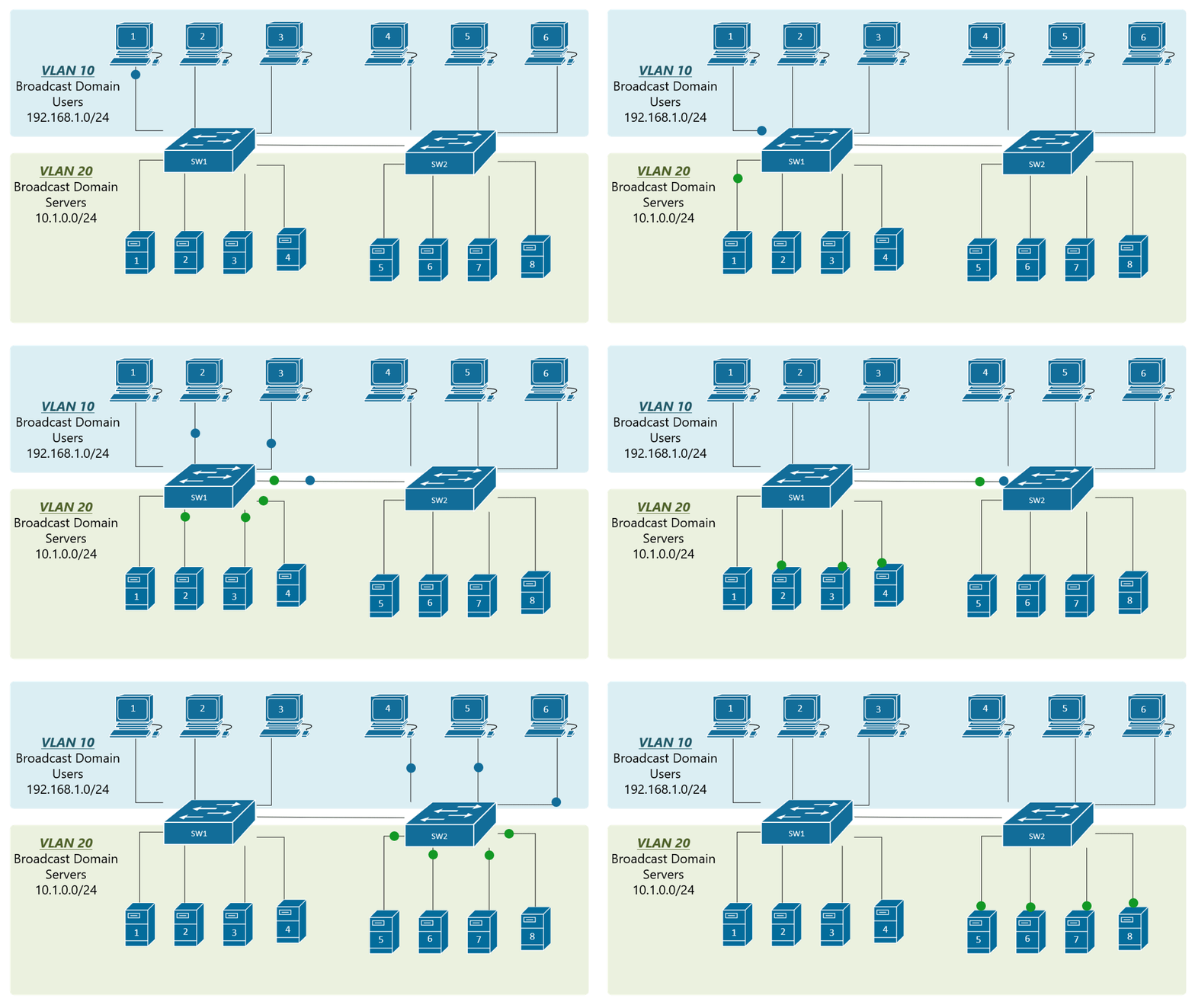
In telephony, trunking typically involves connecting telephone exchanges or PBX (Private Branch Exchange) systems to public telecommunication networks, allowing multiple concurrent calls to be transmitted over a single link. In computer networks, trunking may involve protocols that combine multiple network connections into a single logical link, enhancing speed and reliability of data transmission.
In essence, trunking is an optimization technique used in telecommunications and computer networks to improve performance and reduce operational costs.
What is a Cable Tray?
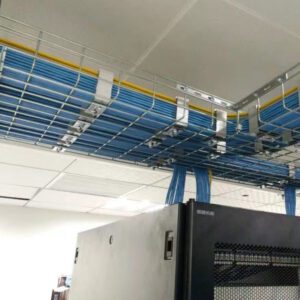
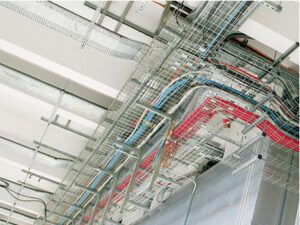
A cable tray is a physical support structure system used to organize, protect, and route various types of cables in construction projects, electrical systems, and computer networks. It provides an effective solution for cable management, ensuring safety and neatness in work environments. The system also serves as a fixed pathway for cables, protecting them from external environmental impacts such as physical damage, moisture, and temperature fluctuations.
Cable trays are essential components in modern infrastructure, particularly in large-scale industrial facilities, data centers, and commercial buildings where numerous cables need to be organized and managed efficiently.
So What Exactly is a Cable Tray in English?
The terminology can be confusing because “trunking” and “cable tray” are sometimes used interchangeably in English-speaking regions, though they have slightly different meanings in technical contexts.
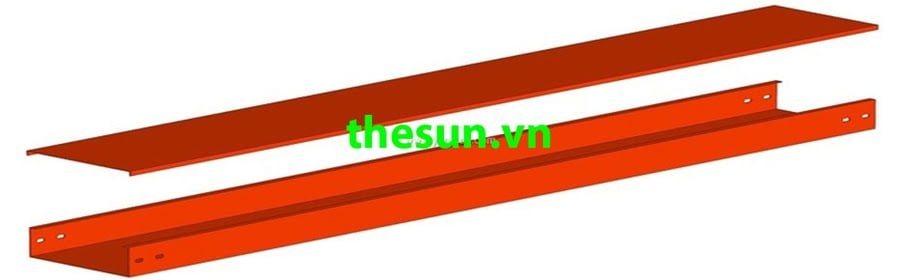
Trunking primarily refers to the cable management system itself—the physical structure that holds and routes cables. In British English, “trunking” typically describes closed or semi-enclosed cable management systems (like cable ducts or conduit systems), whereas in American English, the term is less commonly used in this context.
Cable Tray, on the other hand, is a more universally accepted term that describes the open mesh or ladder-like framework used to support and organize cables. This terminology is standardized in international electrical codes (such as NEMA and IEC standards) and is widely recognized across different countries and industries.
Therefore, while “trunking” may refer to closed cable management systems, a “cable tray” is the broader and more accurate term for open support structures used in electrical and telecommunications infrastructure. The key distinction lies in the design and application: closed trunking systems provide more cable protection, while cable trays offer better accessibility and ventilation.
Summary
Understanding the difference between “trunking” and “cable tray” is important for professionals in the electrical, construction, and telecommunications industries. While both terms relate to cable management systems, “cable tray” is the more standard and internationally recognized terminology, particularly in technical specifications and industry standards. When sourcing cable support systems, it’s always best to use the term “cable tray” to ensure clear communication with suppliers and contractors, avoiding any confusion that might arise from regional terminology differences.
The Sun is committed to providing high-quality cable management solutions that meet international standards, ensuring your electrical infrastructure is safe, organized, and efficient.
For a broader technical definition, see the Wikipedia entry on cable trays.