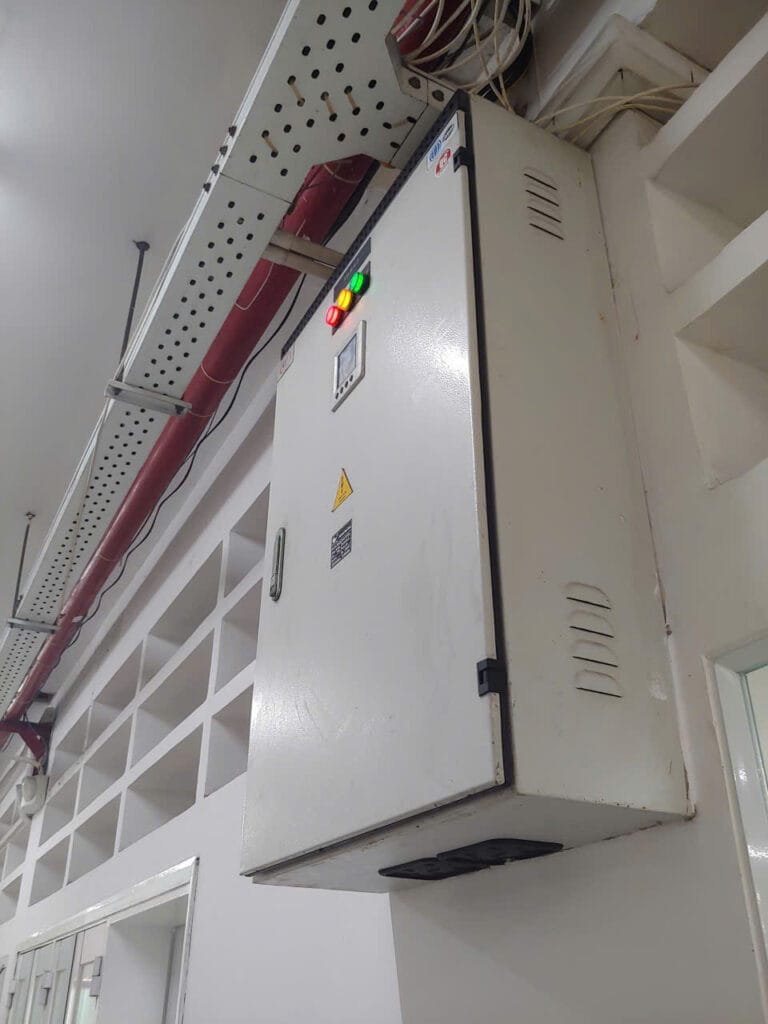
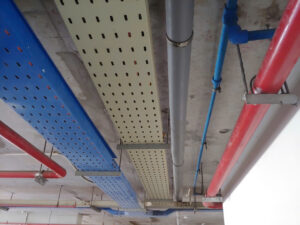
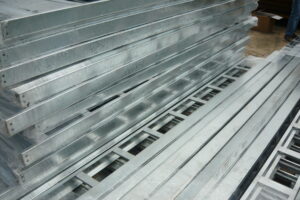
A shopping-centre cable tray system is an essential part of the mechanical and electrical (M&E) infrastructure in any modern commercial building. It manages, protects and organizes power, network and signal cables, supporting safe operation, a professional appearance and efficient building maintenance.
Principal Functions and Benefits
In a shopping centre with a very high density of cabling, a coordinated cable tray and ladder system provides several important benefits:
- Safe protection: Cable trays protect conductors from impact, dust, moisture and pests, reducing the risk of short circuits, fire and electrical leakage.
- Organized cable management: Hundreds or thousands of metres of cable can be arranged systematically. This makes routes easier to control, maintain, repair and extend when new cables are required.
- Improved appearance: Instead of leaving disorganized cable bundles visible, trays and ladders are installed neatly along ceilings or walls to create a professional, modern environment.
- Effective heat dissipation: In areas containing numerous high-load cables, open-rung cable ladders allow air circulation and heat dissipation, helping avoid thermal overloading and extending cable service life.
Types and Construction
A typical cable-support system includes two principal product types:
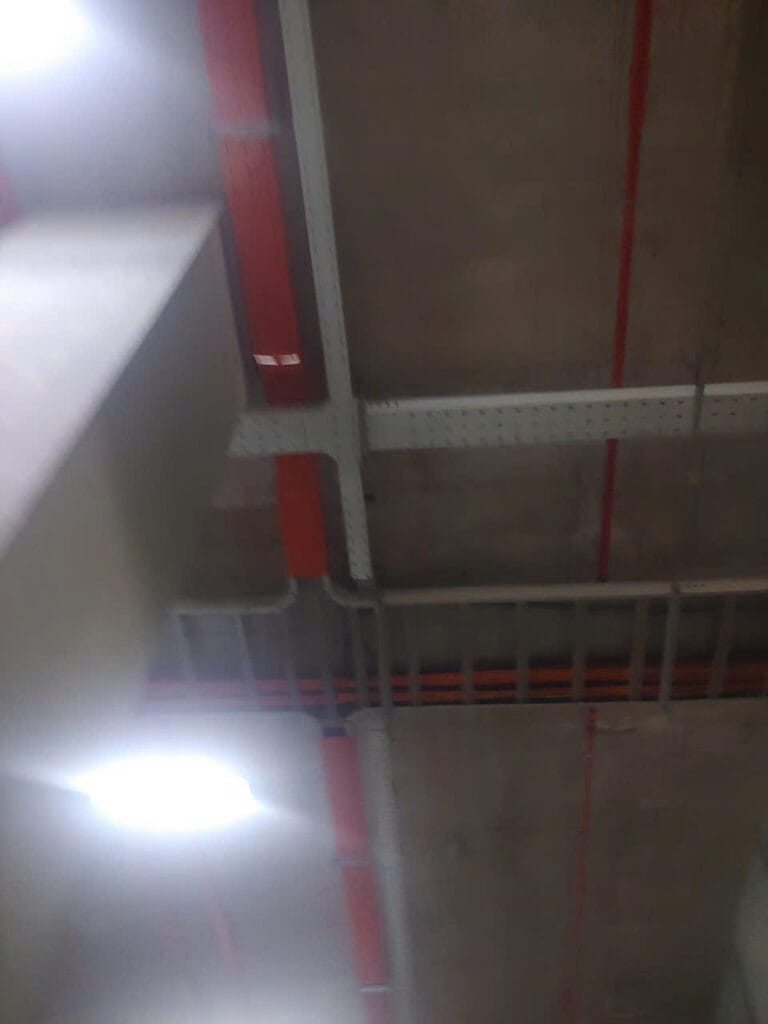
- Cable ladder:
- Construction: An open ladder arrangement consisting of two longitudinal side rails connected by transverse rungs.
- Advantages: Excellent heat dissipation and high load capacity, suitable for large-section power cables and heavy cable loads.
- Applications: Commonly installed in technical areas, plant rooms, basements and above ceilings where strength and load capacity are essential.
- Cable tray or trunking:
- Construction: A solid-bottom or perforated channel that may be fitted with a cover.
- Advantages: Protects cables from dust, water, pests and mechanical impact.
- Applications: Appropriate for corridors, public areas and other locations requiring an attractive appearance or maximum enclosure.
The system also requires coordinated fittings and accessories, including horizontal and vertical bends, tees, elbows, supports, threaded rods, covers and bolts, to complete each cable route.
Shopping-Centre Installation Requirements
Safe and efficient shopping-centre cable tray installation requires compliance with appropriate technical requirements:
- Systematic routing: Detailed drawings should define cable routes and separate medium-voltage, low-voltage, signal and network cables. Medium-voltage routes must be positioned at least 500mm away from low-voltage cables.
- Materials and workmanship: Use durable materials such as hot-dip galvanized steel, powder-coated steel or stainless steel. Joints must be secure, and the system must include protective earthing to control electrical leakage risk.
- Support spacing: Supports must be securely fixed to the ceiling or wall, with maximum spacing of 1.5–3m depending on cable load. Cables should be secured to the tray at suitable intervals with cable ties to prevent movement.