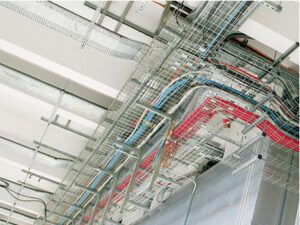
When building a cabling system, choosing the right wire mesh cable tray is an important part of protecting and managing cables. A wire mesh cable tray not only keeps cables secure but also helps reduce the risk of breakage and tangling. Below is a list of the 5 most common wire mesh cable trays, by popular size.
5 Common Wire Mesh Cable Trays on the Market
50×50 mesh tray: A small wire mesh tray suited to managing and protecting smaller cable bundles. This size works well for in-building applications such as network cabling or electrical wiring.
100×50 mesh tray: Offers a larger size to hold more cables. This size is commonly used in industrial projects such as factories or production areas.
200×50 mesh tray: A popular choice for larger cabling systems with many cables. This tray type is commonly used in industrial and construction projects that need to manage a large number of cables.
100×100 mesh tray: Provides more room for larger cable bundles. This type is commonly used in larger projects such as manufacturing plants or industrial zones.
200×100 mesh tray: The largest option on this list. This tray type suits cabling systems in large-scale projects such as shopping centers, urban areas, or apartment complexes.
The list above covers some of the most common wire mesh cable trays by popular size. That said, choosing the right cable tray also depends on the specific requirements of your project. Consider durability, size, and flexibility to make sure the system performs well.