
Hot-dip galvanized cable trunking is fabricated from steel first, then surface-prepared and immersed in molten zinc to form a protective coating. It is commonly considered for outdoor cable routes, high-humidity areas, and projects requiring better corrosion resistance than conventional surface finishes.
At The Sun, cable trunking is manufactured to the dimensions, thickness, construction, and coating requirements of each project. Material selection should be based on the installation environment, cable load, support spacing, design life, and acceptance standards—not solely on the term “hot-dip galvanized.”
1. What Is Hot-Dip Galvanized Cable Trunking?
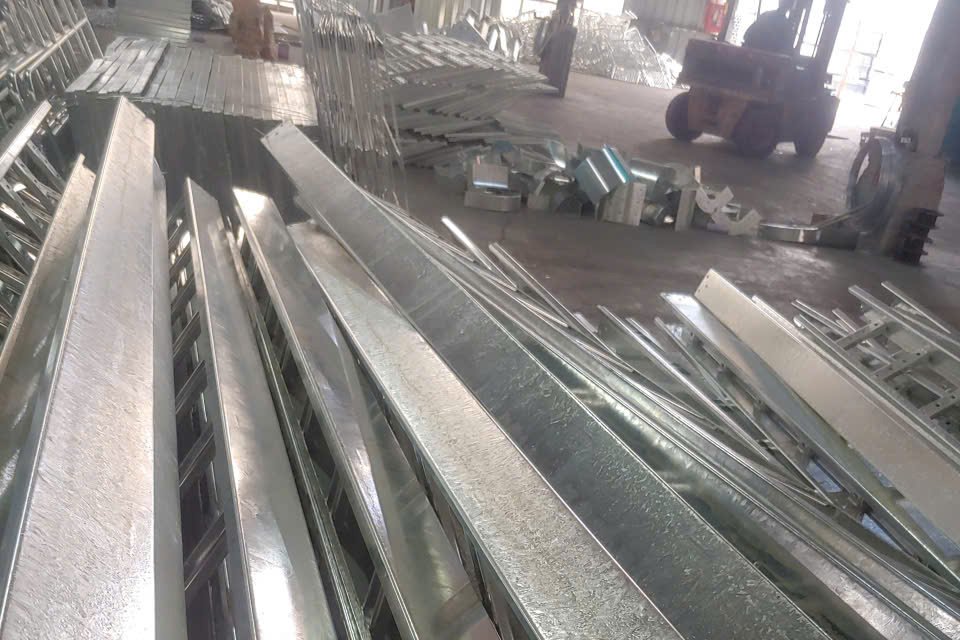
Hot-dip galvanized cable trunking is an enclosed cable-management product, normally comprising a trunking body, cover, joints, and directional fittings. After cutting, punching, press-brake forming, and completion of all mechanical details, the product is cleaned and immersed in molten zinc using a suitable galvanizing process.
During immersion, zinc reacts with the steel surface to form a series of zinc–iron alloy layers. Because galvanizing is performed after fabrication, the coating can protect surfaces, edges, and formed areas. Actual quality also depends on the steel substrate, component design, cleaning, galvanizing process, and acceptance requirements.
How does it differ from pre-galvanized cable trunking?
Pre-galvanized sheet is zinc-coated in coil or sheet form before it is cut, punched, and formed into trunking. With hot-dip galvanizing, the steel component is fabricated to its final shape before coating. This difference in production sequence affects protection at cut edges, holes, welds, and the finished surface.
2. How Does the Zinc Coating Protect Steel?
The galvanized layer creates a barrier between the steel substrate and its environment. Under suitable conditions, zinc corrosion products that develop on the surface can also help slow further corrosion.
Zinc can also provide electrochemical protection to steel where the coating has sustained limited damage. When steel and zinc are both exposed to an electrolyte, zinc tends to corrode preferentially. This protection is not unlimited, however, and depends strongly on coating thickness, humidity, chlorides, chemicals, exposure duration, and operating conditions.
3. Which Projects Should Use Hot-Dip Galvanized Cable Trunking?
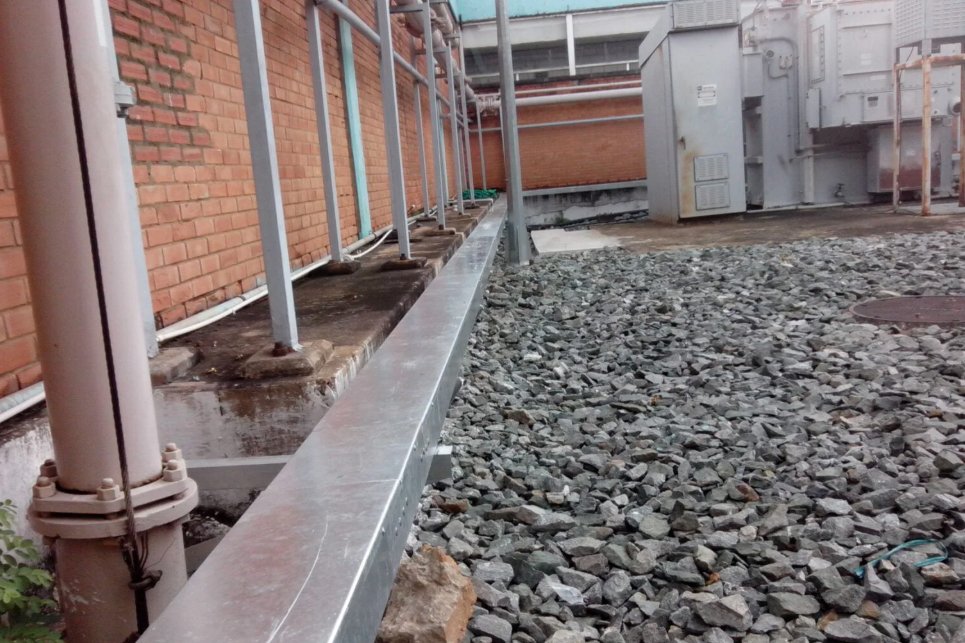
- Outdoor cable routes: areas exposed to rain, sunlight, and changing humidity.
- Factories and industrial facilities: routes between workshops, technical areas, or semi-outdoor zones.
- Substations and technical infrastructure: locations requiring durable cable support and convenient inspection.
- Damp or potentially corrosive areas: environmental agents should be assessed before specifying the coating.
- Coastal projects: hot-dip galvanizing may be considered, but chloride concentration, distance from the sea, corrosion category, and required service life must be evaluated.
In special chemical environments, food-processing facilities, high-hygiene applications, or severely corrosive marine areas, hot-dip galvanizing may not be the optimum choice. Stainless steel, ZAM, or another specialized material and coating system should also be compared.
4. Construction and Matching Fittings
- Trunking body: contains and protects the cable route.
- Cover: limits dust, water, and mechanical impact from above, depending on the design.
- Joint: connects trunking sections into a continuous route.
- Fittings: horizontal elbows, risers, droppers, tees, crosses, reducers, and other directional components.
- Support system: strut channels, brackets, threaded rods, and connections selected for the design load.
To minimize cutting or drilling after galvanizing, drawings should define hole positions, joint types, route directions, and fittings in advance. Any site modifications require an appropriate method of restoring surface protection.
5. Reference Technical Specifications
| Parameter | Reference specification |
|---|---|
| Product name | Hot-dip galvanized cable trunking |
| Product type | Enclosed trunking, optional cover |
| Substrate | Sheet steel |
| Surface treatment | Hot-dip galvanized after fabrication |
| Length | To manufacturing specification and transport requirements |
| Width W | To cable-route design |
| Height H | To cable-route design |
| Steel thickness T | From 1.2 mm; 1.2 mm is used only where W < 200 mm; most sizes use 1.5 mm or more |
| Zinc coating | To the agreed standard or acceptance requirements |
| Fittings | Elbows, tees, crosses, reducers, joints, and matching accessories |
| Fabrication | To specification or project drawing |
Common dimensions
Sizes of 100 × 50, 200 × 100, 300 × 100, and 400 × 100 mm are frequently used. The Sun can fabricate other dimensions to drawings. Final dimensions should be based on cable quantity and diameter, bending radius, fill ratio, future capacity, and installation space.
6. Selecting Trunking Thickness and Support Spacing
Hot-dip galvanized cable trunking must use steel at least 1.2 mm thick. A thickness of 1.2 mm is used only for trunking with W < 200 mm; most sizes use 1.5 mm or greater. In addition to trunking width, the total cable weight, support span, support type, horizontal or vertical orientation, additional loads, transport conditions, and future expansion must be considered.
- Trunking with W ≥ 200 mm must not use 1.2 mm steel; select at least 1.5 mm and verify against the load.
- Wide trunking and heavy cable loads normally require greater stiffness.
- Increasing support spacing increases bending requirements.
- Components with shapes that affect immersion must include suitable drainage and vent holes.
- Allowable distortion after galvanizing should be agreed before production.
7. Does Zinc Coating Thickness Matter?
Yes. Coating thickness is one factor affecting the quantity of zinc available to protect the steel. A single value should not, however, be applied to every product. Requirements can vary with substrate thickness, the applicable standard, steel composition, component size, surface condition, and service environment.
For projects requiring strict control, order documents should state the galvanizing standard, measurement method and locations, acceptance level, and required documentation. This is more precise than general descriptions such as “thick galvanizing” or “completely rust-proof.”
8. Must the Galvanized Surface Be Perfectly Uniform?
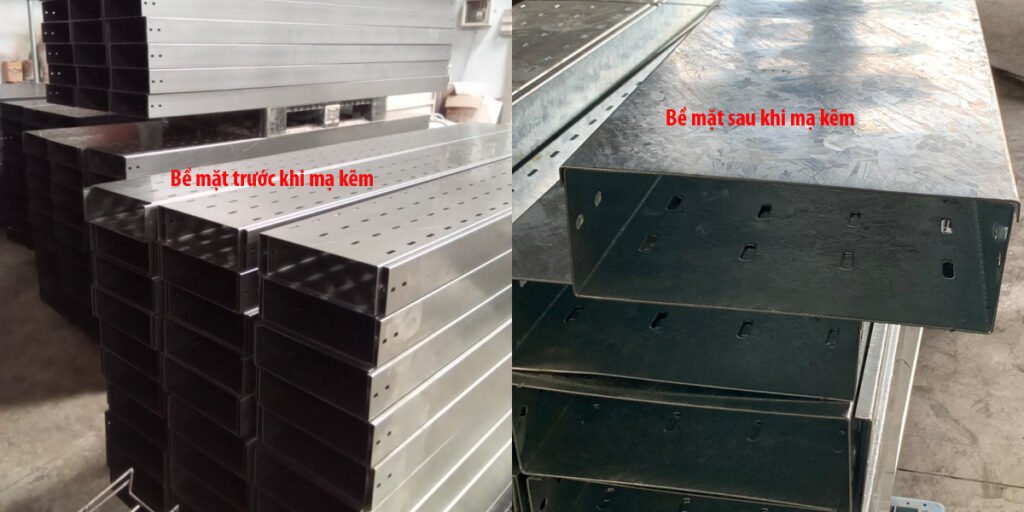
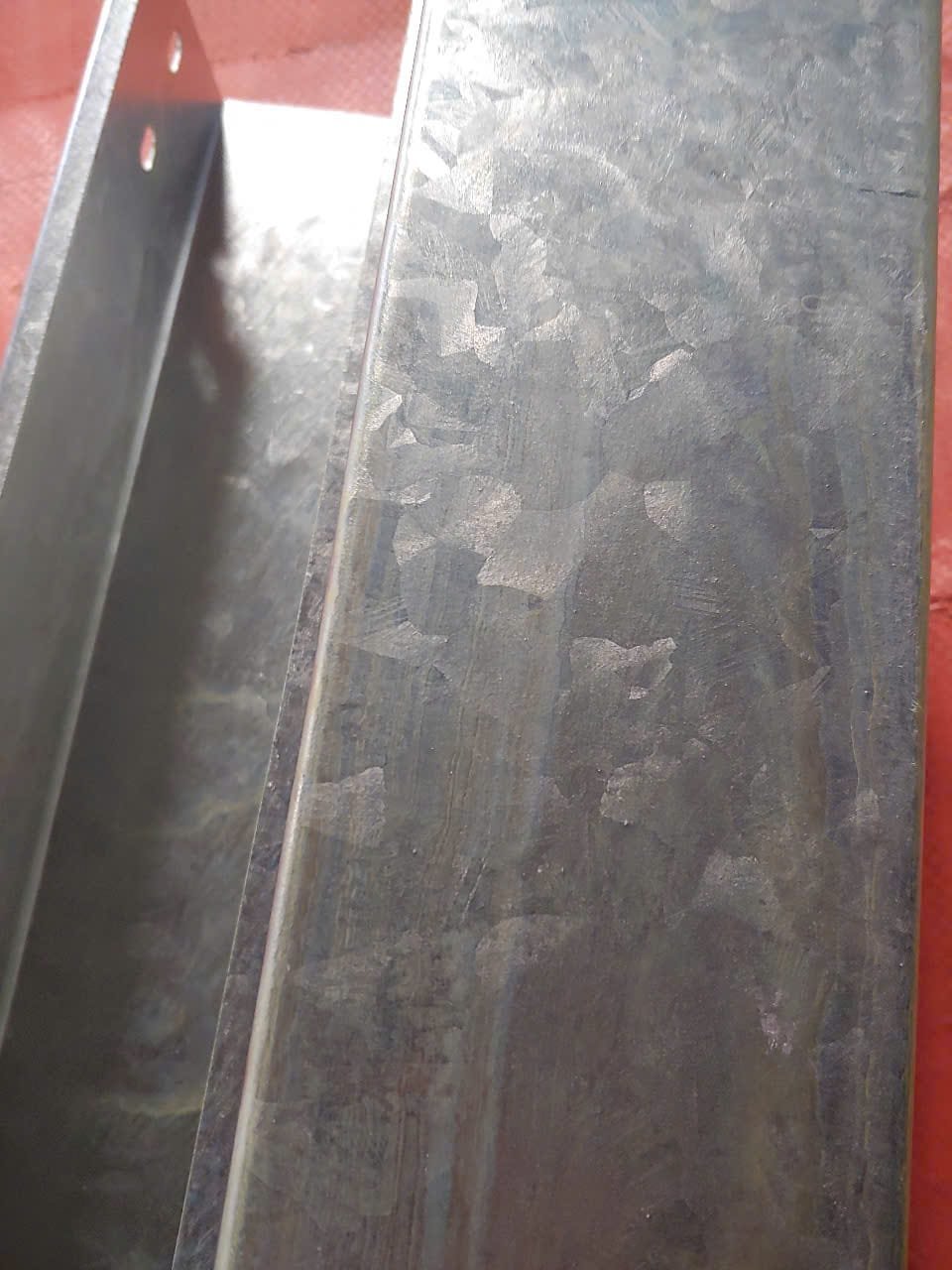
Hot-dip galvanized surfaces may vary in gray tone, gloss, or crystalline pattern. These differences can be related to steel composition, surface condition, the steel–zinc reaction, bath conditions, immersion and withdrawal rates, and cooling.
Quality should therefore not be judged by color alone. Acceptance criteria should be based on the applicable standard, coverage, coating thickness, defective areas, and the product’s ability to fit together correctly.
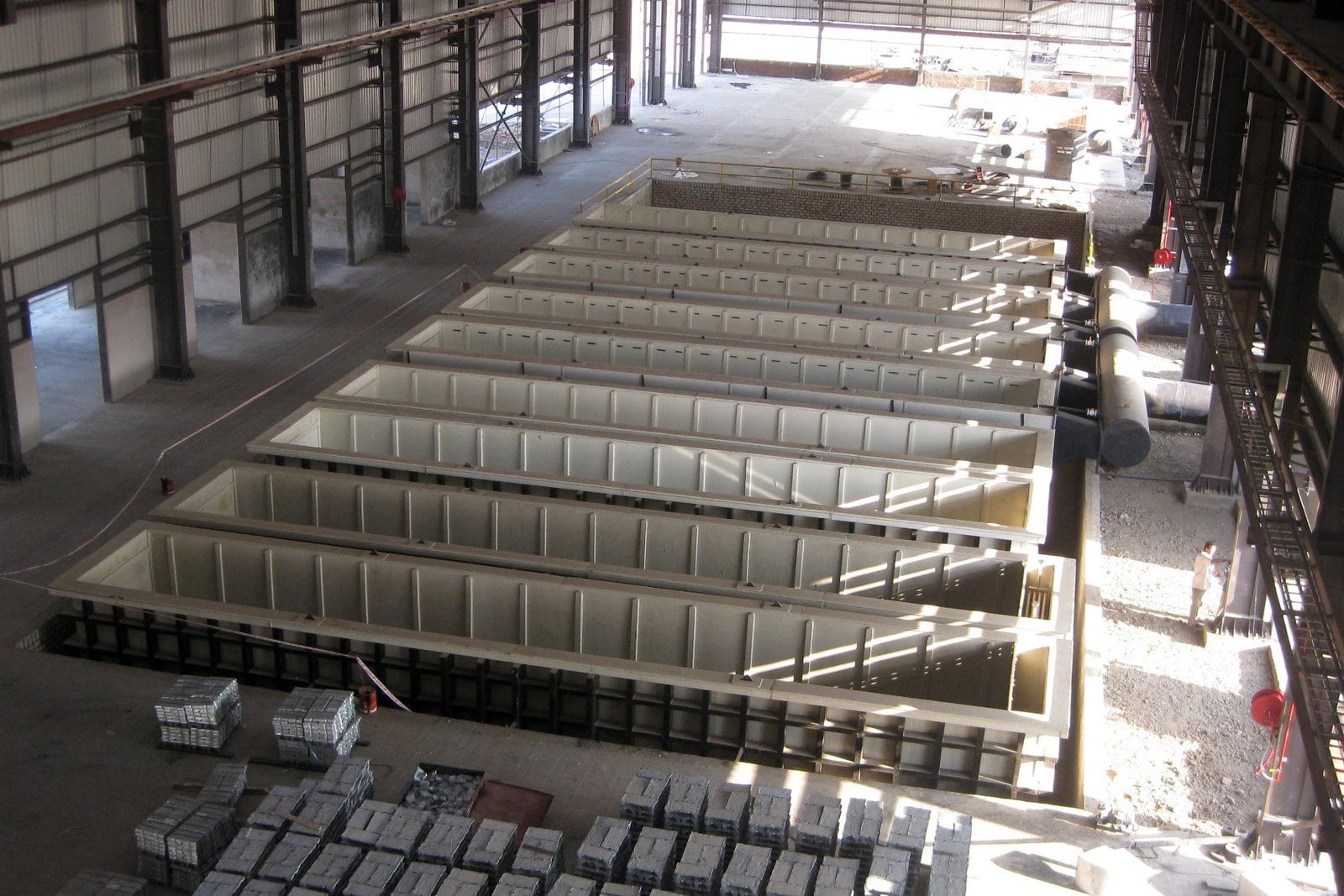
9. Manufacturing Process at The Sun
Steel cutting → Punching/cutting to specification → Press-brake forming → Final fabrication → Pre-galvanizing inspection → Surface cleaning → Hot-dip galvanizing → Cooling → Inspection → Packing.
Completing fabrication before galvanizing allows cut edges, holes, and formed details to be treated in the same galvanizing stage. The product must be designed for immersion, zinc drainage, and cooling to minimize trapped zinc or distortion.
10. Product Quality Inspection
Mechanical inspection
- Width, height, length, and steel thickness.
- Hole positions, fabricated shape, and fit-up.
- Straightness, distortion, and compatibility with fittings.
Coating inspection
- Visual appearance and coverage.
- Coating thickness to project requirements.
- Zinc build-up, sharp edges, or unusual indications.
- Inspection records or certificates where agreed in the order.
11. Transport and Installation Notes
- Avoid heavy impact that could deform the trunking or damage the coating.
- Do not drag products over hard surfaces.
- Properly treat any areas cut or drilled on site.
- If painting over zinc is required, use a compatible paint system and follow the correct surface-preparation procedure.
- Do not allow water or chemicals to remain in the trunking because of unsuitable routing or drainage.
12. Comparison with Other Cable Trunking Materials
| Trunking type | Key characteristics | Typical suitable environment |
|---|---|---|
| Powder-coated steel | Multiple colors and an attractive finish | Indoors and relatively stable environments |
| Pre-galvanized steel | Easy fabrication and reasonable cost | Indoor and other suitable environments |
| Hot-dip galvanized steel | Galvanized after fabrication with good corrosion resistance | Outdoors and damp areas; corrosion category must be assessed |
| Stainless steel 304/316 | High corrosion resistance and easy cleaning | Food, chemical, and high-demand environments |
| ZAM | Alloy coating with good corrosion resistance | Depending on material grade and project environment |
See the overview pages for Cable Trunking, Pre-Galvanized Cable Trunking, and Powder-Coated Cable Trunking to select a material for the intended environment.
13. Hot-Dip Galvanized Cable Trunking Pricing
Product prices depend on W × H dimensions, steel thickness, length, construction, quantity, coating requirements, fittings, inspection documentation, and delivery location. Galvanizing costs also depend on component weight, geometry, and acceptance requirements, so one fixed percentage cannot be applied to every order.
For an accurate quotation, customers should provide: dimensions + thickness + quantity + coating requirements + fittings + drawings (if available).
14. The Sun Manufactures to Project Drawings
The Sun manufactures trunking bodies, covers, and fittings to specifications or drawings. Customers can specify dimensions, thickness, construction, hole positions, joint types, zinc coating, and quality documentation appropriate to the project. Agreeing requirements before production minimizes additional fabrication after the coating has been completed.
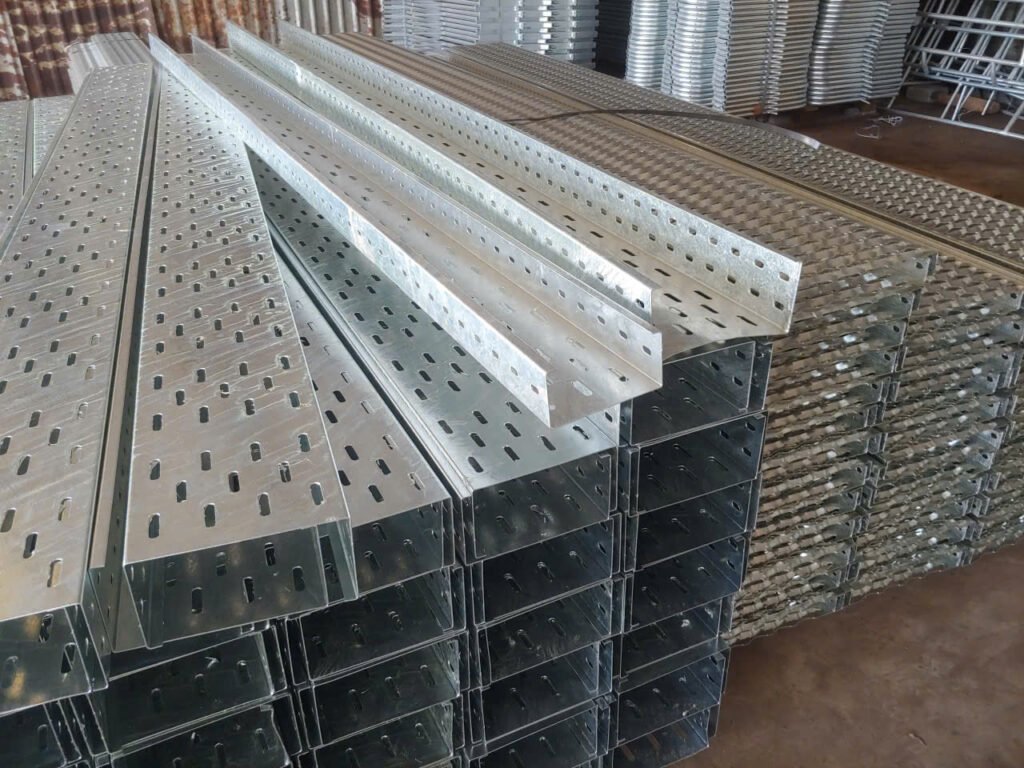
Reference Price List for Hot-Dip Galvanized Cable Trunking
Reference unit prices per meter, excluding VAT. The table below shows prices for uncovered trunking bodies and complete sets with covers. These are reference prices at The Sun’s factory and may change with material prices, quantities, drawings, steel-thickness requirements, and the ASTM A123 zinc coating specified at the time of order. Please contact us to confirm the quotation, shipping cost, and lead time.
| Specification (Width × Height × Thickness) | Price without cover (VND/m) | Price with cover (VND/m) |
|---|---|---|
| 60x40x1.5 | 85,000 | 130,000 |
| 60x40x2.0 | 111,000 | 170,000 |
| 50x50x1.5 | 90,000 | 130,000 |
| 50x50x2.0 | 117,000 | 169,000 |
| 100x50x1.5 | 116,000 | 182,000 |
| 100x50x2.0 | 152,000 | 238,000 |
| 200x50x1.5 | 168,000 | 285,000 |
| 200x50x2.0 | 220,000 | 374,000 |
| 100x100x1.5 | 168,000 | 234,000 |
| 100x100x2.0 | 220,000 | 306,000 |
| 200x100x1.5 | 220,000 | 337,000 |
| 200x100x2.0 | 288,000 | 442,000 |
| 300x100x1.5 | 273,000 | 442,000 |
| 300x100x2.0 | 356,000 | 577,000 |
| 400x100x2.0 | 425,000 | 714,000 |
Note: the table lists common specifications only. The Sun also manufactures other dimensions and thicknesses to technical documentation.
15. Frequently Asked Questions
Can hot-dip galvanized cable trunking be used outdoors?
Yes. This is a common application. The corrosion category, wet-time exposure, chemicals, and design life must nevertheless be evaluated to determine the appropriate coating requirements.
Can hot-dip galvanized cable trunking rust?
The zinc coating slows corrosion and protects the steel substrate, but no metal lasts indefinitely in every environment. Service life depends on the coating, environment, and operating conditions.
Can it be used near the sea?
It may be considered, but marine environments contain chlorides and can be highly corrosive. The project location, corrosion category, and design requirements must be established; another material may be necessary in some cases.
Can a galvanized surface be painted?
Yes, provided the surface is prepared correctly and a paint system compatible with zinc is used. Paint should not be applied without proper preparation because adhesion may be reduced.
Does The Sun provide quality documentation?
Documentation, certificates, and inspection requirements must be agreed for each order or project before production.
16. Order Hot-Dip Galvanized Cable Trunking
Send The Sun the dimensions, thickness, quantity, coating requirements, and drawings to receive configuration advice and a project quotation.
THE SUN JOINT STOCK COMPANY
Website: thesun.vn
Hotline/Zalo: 0903 988 018
Email: info@thesun.vn
Products: cable trunking, cable trays, cable ladders, wire-mesh trays, and fittings.